Roof Repair for Wind Damage vs. Hail Damage
People searching for roof repair for wind damage vs. hail damage are typically looking to restore their roofs after storms, and local contractors can assess and fix the specific damage.
If your property has recently experienced strong winds or hail, understanding the differences between roof repair for wind damage versus hail damage can be essential for protecting your home. Wind can cause shingles to lift, blow debris into the roof, or even create structural issues, while hail tends to leave behind visible dents, cracks, or missing shingles. Recognizing these signs can help property owners determine the right steps to take and ensure repairs address the specific type of damage. Local contractors who specialize in roof repair are equipped to assess the extent of damage, recommend appropriate solutions, and help restore your roof’s integrity.
Exploring this topic is practical for property owners in the area who want to maintain the safety and durability of their roofs after severe weather events. Damage caused by wind and hail can sometimes look similar but may require different repair approaches. Connecting with experienced local service providers can make a significant difference in effectively handling these issues, whether it involves patching up minor damage or replacing compromised roofing materials. Keep reading to learn more about how local pros can assist with roof repair for wind damage versus hail damage, ensuring your home stays protected against future storms.
- Roof repair for wind damage - is needed when high winds cause shingles to lift, crack, or blow off, and local contractors assess the extent of wind-related damage to restore roof integrity.
- Roof repair for hail damage - is necessary after hailstorms leave dents, bruises, or shattered roofing materials, with service providers inspecting for hidden impacts that may compromise long-term durability.
- Roof repair for wind damage - involves fixing loose or missing shingles caused by gusts, with local pros focusing on securing or replacing affected areas to prevent leaks.
- Roof repair for hail damage - addresses cosmetic and structural issues resulting from hail strikes, as local contractors evaluate whether repairs are needed to prevent future leaks or deterioration.
- Roof repair for wind damage - may require reinforcement of vulnerable roof components after storms, with service providers ensuring the roof can withstand future wind events.
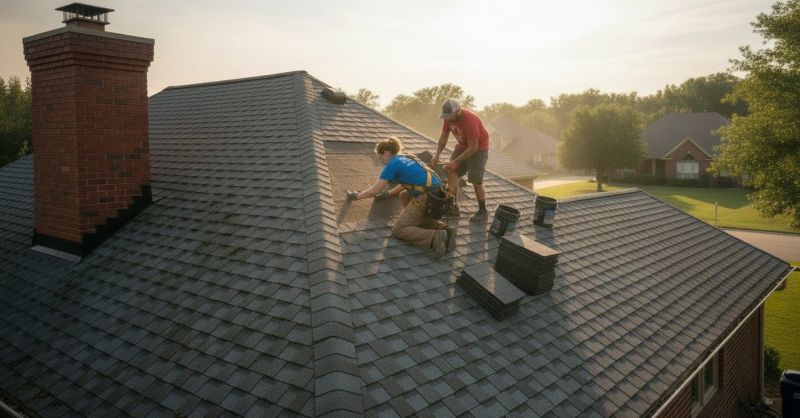
When homeowners search for information about roof repair for wind damage versus hail damage, they are often trying to understand the specific issues caused by different types of severe weather. Wind damage typically involves strong gusts that can loosen, lift, or tear shingles, flashing, and other roofing components. Hail damage, on the other hand, usually manifests as dents, cracks, or bruising on roofing materials, especially on softer or more vulnerable surfaces. Homeowners want to know how to identify the damage, determine whether repairs are necessary, and what types of repairs are appropriate for each kind of storm impact. This understanding helps them decide whether to seek repairs and what to expect from local contractors who specialize in restoring roofs affected by these specific weather events.
Roof repair for wind damage and hail damage relates to different problems and repair plans, even though both involve restoring the roof’s integrity. Wind damage often requires fixing or replacing loose or missing shingles, reinforcing flashing, and addressing any uplifted or damaged roofing layers. Hail damage repairs tend to focus on addressing dents, cracks, or punctures that compromise the roof’s waterproofing and structural integrity. In some cases, hail damage can also weaken shingles over time, leading to future leaks or deterioration. Local service providers assess the extent of the damage, often using visual inspections or specialized tools, to recommend repairs that restore the roof’s resilience against future storms and protect the home’s interior from water intrusion.
The types of properties that typically experience wind or hail damage are usually residential homes, but commercial buildings and multi-family complexes can also be affected. Single-family houses with asphalt shingles are common targets for hail impacts, which can leave visible marks or weaken the roof’s surface. Homes located in open areas or on elevated terrain are more susceptible to wind damage, as strong gusts can exert significant force on the roof structure. The material and age of the roof also influence the damage pattern-older roofs or those with inferior materials tend to suffer more extensive damage from both wind and hail. When seeking roof repair, property owners often rely on local contractors who understand the unique challenges posed by their property type and can recommend the best approach to restore and reinforce the roof against future storms.
Understanding the differences between wind and hail damage is essential for homeowners considering roof repair services. Wind-related issues often require addressing structural vulnerabilities, fixing loose or missing materials, and ensuring the roof can withstand future gusts. Hail damage, meanwhile, may involve repairing or replacing damaged shingles, addressing dents or cracks, and ensuring the roof remains watertight. Local roof repair professionals are equipped to evaluate the specific damage caused by each weather event, providing tailored solutions that restore safety and functionality to the property. Recognizing how these storm impacts differ helps homeowners communicate effectively with service providers, ensuring the right repairs are performed to protect their homes from ongoing weather risks.
Gutter Repair Services - gutter repair involves similar planning and tools as roof repair, especially when addressing damage caused by wind or hail that can also impact the roofing system.
Attic Insulation Services - installing or replacing attic insulation requires knowledge of roofing structures and can be affected by wind or hail damage to the roof.
Roof Inspection and Assessment - detailed inspections help identify storm-related damage, making them a key step before roof repair for wind damage vs. hail damage.
Siding Repair Services - siding repair often coincides with roof repair after storm damage, as both involve exterior damage assessment and repair planning.
Storm Damage Restoration - restoration projects address widespread damage from wind or hail, requiring similar skills in assessing and repairing roofing and exterior elements.
Skylight Repair and Replacement - skylight work involves similar planning and tools as roof repair, especially when storm damage affects the roof openings or seals.
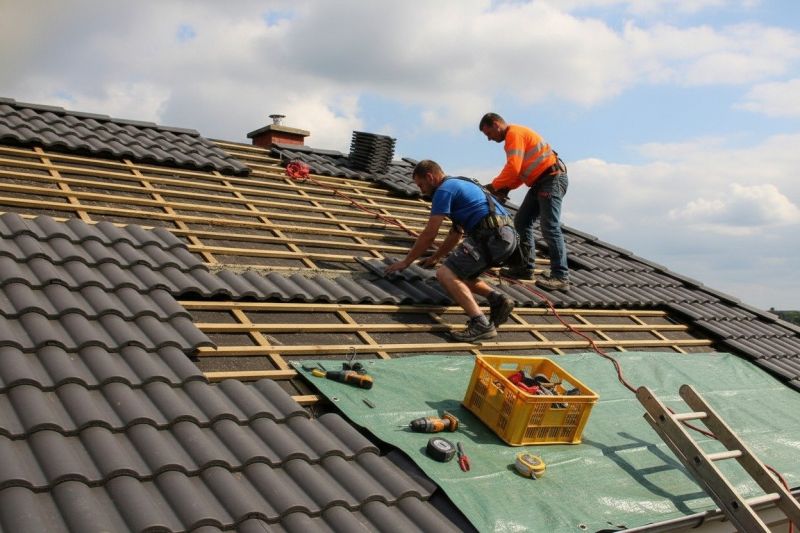
When comparing local contractors for roof repair related to wind damage versus hail damage, it’s important to consider their experience with similar projects. Roof damage from wind can involve issues like lifted shingles or loose flashing, requiring specific repair techniques, while hail damage often results in dents, cracks, or granule loss that demands a different approach. Service providers with a history of handling these types of damage are more likely to understand the nuances involved and deliver effective repairs. Asking about past projects or reviewing their portfolio can help gauge their familiarity with the specific challenges posed by wind and hail, ensuring that the contractor has the relevant experience to address the unique aspects of each type of damage.
Clear, written expectations are essential when evaluating local contractors for roof repairs. A reputable service provider should be able to outline what the repair process will involve, including the scope of work, materials used, and any necessary inspections or follow-up steps. This transparency helps homeowners understand what to expect and reduces the chances of surprises or misunderstandings later on. When comparing options, it’s beneficial to request detailed written estimates or proposals that specify the work to be done, ensuring that all parties are aligned on the repair plan for wind or hail damage and that the scope matches the damage observed.
Reputable references and strong communication practices are key factors in selecting a reliable service provider. Contractors with positive references from previous clients can provide insights into their professionalism, quality of work, and ability to complete projects on time. Good communication throughout the process, from initial consultation to project completion, helps homeowners stay informed and address any questions or concerns promptly. When evaluating local pros, it’s helpful to inquire about references and observe how clearly and thoroughly they communicate their plans, as these qualities contribute to a smoother repair experience and confidence that the damage caused by wind or hail will be properly addressed.
Property owners often search for roof repair for wind damage vs. hail damage when they are planning practical projects around their homes and businesses. Local pros provide Roof Repair services for everyday jobs and straightforward project options.
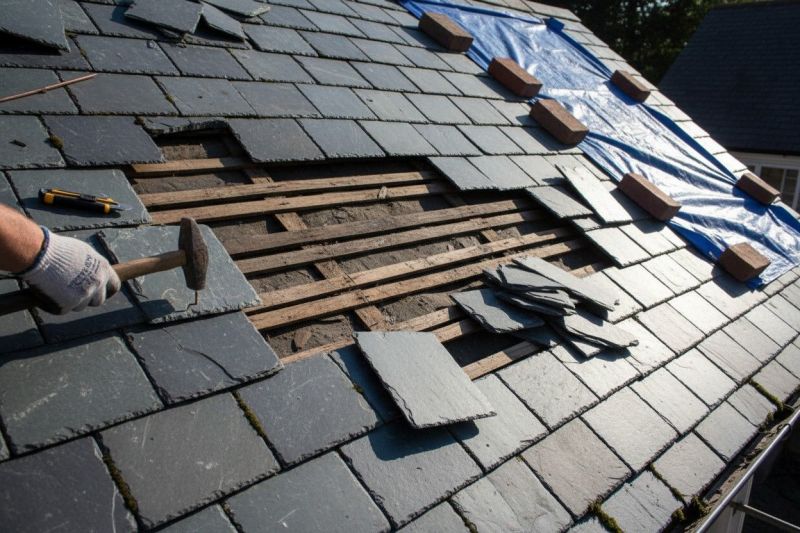
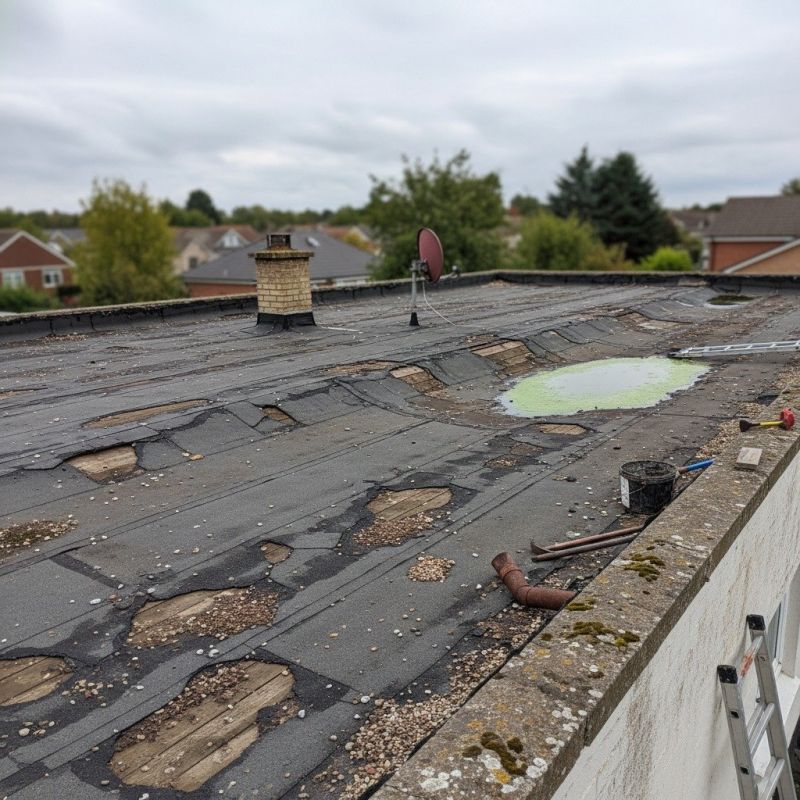
Homeowners in the area often search for information about roof repair for wind damage versus hail damage after severe weather events. Wind can cause shingles to lift, loosen, or even tear away, leading to potential leaks and structural concerns. Hail, on the other hand, tends to leave behind visible dents, cracks, or punctures in roofing materials. Understanding the different types of damage can help property owners decide when to seek out local contractors who specialize in repairing specific issues caused by these weather conditions.
Many property owners look into roof repair services to address the aftermath of storms that have impacted their roofs. Whether dealing with wind-related damage that requires reinforcement or hail-induced dents that need patching, local contractors are equipped to evaluate the extent of the damage and recommend appropriate repairs. Connecting with experienced service providers can ensure that the roof is restored properly, helping to protect the home from further issues and maintaining its integrity after weather-related incidents.
How does roof repair for wind damage differ from hail damage? Wind damage often causes missing shingles, tears, or uplifted roofing materials, while hail damage typically results in dents, cracks, or bruising on the roof surface. Local contractors assess the specific type of damage to determine the appropriate repair approach for each issue.
Can a roof repair for wind damage also fix hail damage? Yes, many roof repairs address multiple types of damage if they occur simultaneously. Service providers evaluate the extent of both wind and hail damage to ensure all affected areas are properly repaired or replaced.
What signs indicate the need for different repairs for wind versus hail damage? Signs of wind damage include loose or missing shingles and uplifted roofing materials, whereas hail damage often shows as small dents or cracks on the roof surface. Local pros can identify the specific damage type during an inspection.
Are repairs for wind damage more extensive than those for hail damage? The extent of repairs depends on the severity of the damage. Wind damage can sometimes require more extensive repairs if it causes structural issues, while hail damage may be localized to surface impacts that can be quickly addressed.
How do local roof repair service providers determine the best approach for wind versus hail damage? They conduct thorough inspections to assess the damage pattern and severity, then recommend repairs tailored to the specific type of damage, ensuring the roof is restored to proper condition.
Identify damage types - Property owners can inspect their roofs for specific signs of wind or hail damage to determine the necessary repair approach with help from local contractors.
Choose appropriate repair materials - Selecting materials that are resistant to wind or hail impact can improve the longevity of roof repairs performed by local service providers.
Schedule targeted repairs - Planning repairs based on the type of damage ensures that local pros address issues like missing shingles after wind storms or dented panels after hail strikes.
Implement preventive measures - Consulting with local contractors about reinforcement options can help protect roofs from future wind or hail damage.
If you are thinking about roof repair for wind damage vs. hail damage for a property, this guide is meant to help you understand this topic, the typical project types, and how different options might fit your plans.
When you are ready, you can use the quote form on this page to share a few details about your project. From there, local pros can review the basics and follow up with options that match what you have in mind.