Get Industrial Roof Replacement
Industrial roof replacement services help property owners address leaks, damage, or aging roofs through projects like flat, metal, or membrane roof upgrades handled by trusted local contractors.
If you are considering a roof replacement for your industrial property, you are in the right place to begin exploring your options. Property owners often seek professional services to ensure their roofs remain durable, safe, and capable of supporting ongoing operations. Whether planning a major upgrade or addressing specific wear and tear, comparing local contractors can help identify solutions that meet your property's unique needs.
This page connects you with experienced service providers in the area who specialize in industrial roof replacements. By reviewing local options, property owners can evaluate the range of services available to support their planning process. Keep reading to discover how local contractors can assist in maintaining the integrity and functionality of your industrial facility.
- Commercial warehouse roofs - businesses may need replacement when leaks or damage compromise operations.
- Factory and manufacturing facility roofs - aging or deteriorated roofs require upgrades to maintain safety and compliance.
- Retail and shopping center roofs - worn or damaged roofing systems may need replacement to ensure customer safety and building integrity.
- Industrial plant roofs - facilities experiencing frequent leaks or structural issues might require a roof overhaul.
- Storage facility roofs - large storage buildings with aging roofs may need replacement to protect stored goods from weather damage.
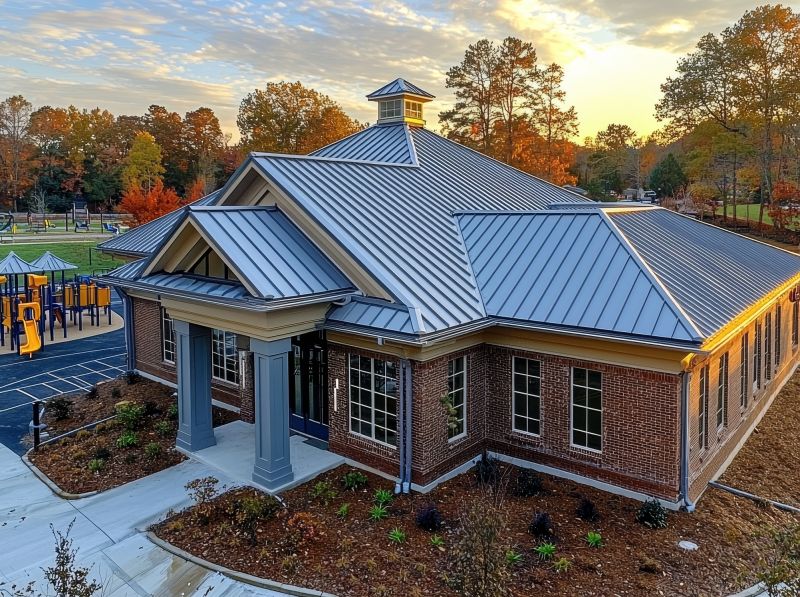
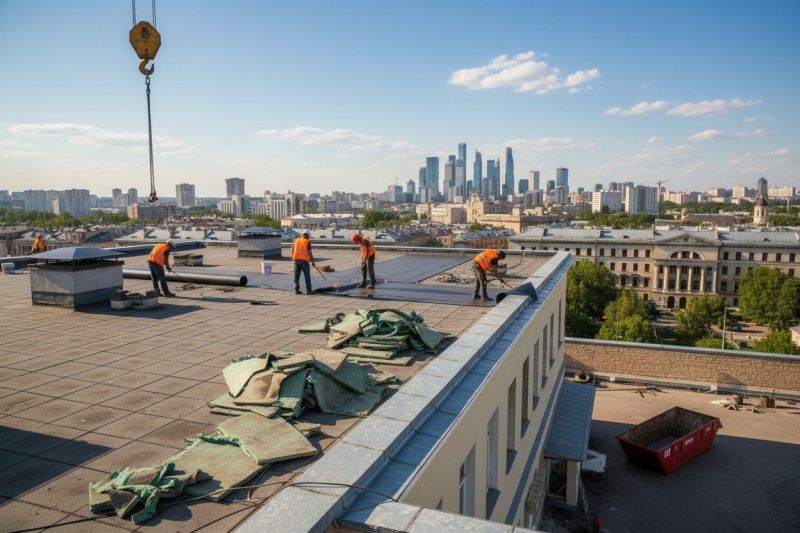
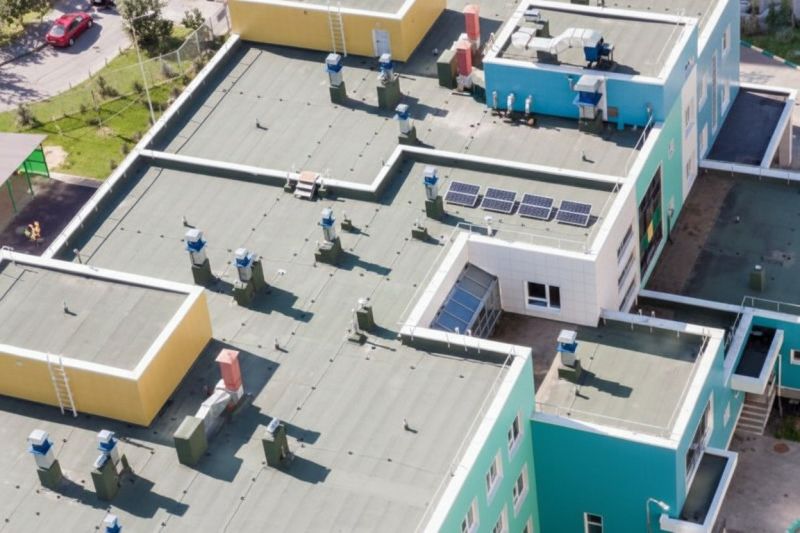
Industrial roof replacement services involve removing an existing roof and installing a new, durable roofing system designed to meet the specific needs of commercial or industrial properties. This process typically includes thorough inspection, preparation of the underlying structure, and the installation of high-quality materials suited for large-scale or specialized buildings. The goal is to restore the roof’s integrity, improve its lifespan, and ensure it can withstand the demands placed on it over time. These services are performed by experienced contractors who understand the complexities of industrial roofing systems and can handle projects of varying size and scope.
This type of service helps address common problems such as leaks, water damage, roof deterioration, and structural weaknesses that can compromise the safety and functionality of a property. Over time, exposure to weather, temperature fluctuations, and heavy use can cause roofing materials to weaken, crack, or become compromised. When repairs are no longer sufficient or cost-effective, a complete roof replacement becomes necessary to prevent further damage, reduce maintenance costs, and maintain the property’s value. Industrial roof replacement is a practical solution for property owners facing persistent issues or planning upgrades to improve energy efficiency or comply with safety standards.
Properties that typically require industrial roof replacement include warehouses, manufacturing facilities, distribution centers, large retail stores, and other commercial buildings with expansive roofing areas. These structures often have flat or low-slope roofs that are more vulnerable to water pooling and damage. Industrial roofs are usually constructed with materials like metal, built-up roofing, or membrane systems, which are designed to withstand heavy use and harsh conditions. When these roofs reach the end of their service life or become too costly to repair, replacing them ensures the building remains protected, functional, and compliant with safety regulations.
Homeowners with large, flat, or commercial-style roofs on outbuildings or workshops might also consider roof replacement services if their structures are experiencing significant issues. While residential roofs are typically smaller and pitched, certain properties with large, flat roofs or specialty structures may benefit from professional replacement services to address persistent leaks, damage, or aging materials. Recognizing when a roof has reached the end of its lifespan or is no longer providing adequate protection is essential for maintaining the safety and value of the property. Local contractors can assess the condition of a roof and recommend appropriate solutions tailored to the specific property type and needs.
The overview below groups typical Industrial Roof Replacement projects into broad ranges so you can see how smaller, mid-sized, and larger jobs often compare in your area.
In many markets, a large share of routine jobs stays in the lower and middle ranges, while only a smaller percentage of projects moves into the highest bands when the work is more complex or site conditions are harder than average.
Smaller Repairs - typical costs for minor roof repairs usually range from $250 to $600, covering issues like leaks or damaged flashing. Many routine jobs fall within this middle range, though prices can vary based on materials and access. Fewer projects reach the higher end of the spectrum for more extensive repairs.
Partial Replacement - replacing sections of an industrial roof generally costs between $3,000 and $8,000. Local contractors often see many projects in this range, with larger or more complex partial replacements pushing costs higher. Variations depend on roof size and material choices.
Full Roof Replacement - complete replacement projects typically cost from $20,000 to $50,000 or more, depending on the size and complexity. Many full replacements fall into the middle of this range, while larger facilities or premium materials can increase the price significantly.
Large or Complex Projects - extensive or highly customized roof replacements can exceed $50,000, especially for large industrial facilities with unique requirements. These projects are less common but represent the upper tier of typical costs for industrial roof services. Local service providers can provide detailed estimates based on specific needs.
Actual totals will depend on details like access to the work area, the scope of the project, and the materials selected, so use these as general starting points rather than exact figures.
Commercial Roofing Repairs - local contractors skilled in repairing and replacing large-scale roofing systems for commercial buildings share techniques used in industrial roof replacement projects.
Warehouse Roof Coatings - service providers experienced in applying protective coatings to large warehouse roofs utilize similar planning and surface preparation skills as industrial roof replacements.
Factory Roof Insulation Installation - professionals capable of installing insulation in industrial settings often have expertise with roofing structures and materials relevant to roof replacement projects.
Structural Steel Roofing Support - contractors familiar with installing and reinforcing roofing supports for industrial buildings can apply similar structural planning skills.
Metal Building Erecting and Roof Paneling - specialists in assembling metal frameworks and installing roof panels work on projects that require similar tools and planning as industrial roof replacements.
Facility Roof Leak Detection - local service providers skilled in identifying and addressing roof leaks use diagnostic techniques applicable to large-scale industrial roofing systems.
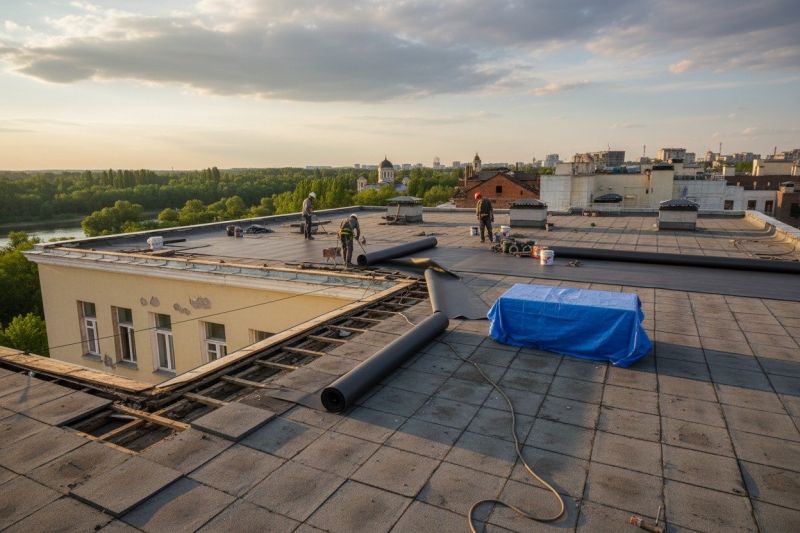
When comparing service providers for industrial roof replacement, it’s important to consider their experience with similar projects. Local contractors who have a proven track record handling industrial roofing can offer insights into the complexities of large-scale or specialized roof systems. Asking about past projects comparable in size and scope can help gauge their familiarity with the unique challenges that such jobs present. This experience often translates into a smoother process and a more reliable outcome, giving confidence that the contractor understands the specific requirements of industrial roofing.
Clear and detailed written expectations are essential when evaluating potential service providers. A reputable contractor should be able to provide a comprehensive outline of the work scope, materials, and responsibilities involved in the project. Having these expectations documented helps ensure everyone is aligned from the start, reducing the risk of misunderstandings or surprises later on. It’s advisable to review these details carefully and ask questions to clarify any points before moving forward, fostering transparency and trust throughout the process.
Reputable references and effective communication are key indicators of a reliable contractor. Service providers who can furnish references from previous clients with similar projects demonstrate a history of satisfied customers. Additionally, good communication-such as prompt responses to inquiries and clarity in explaining options-can make the project experience more straightforward and less stressful. While the site itself introduces homeowners to local options, it’s ultimately up to the homeowner to connect with these trusted professionals who can handle the work and deliver quality results.
Property owners use Industrial Roof Replacement services for practical projects around their homes and businesses. This guide focuses on everyday jobs and straightforward project options.
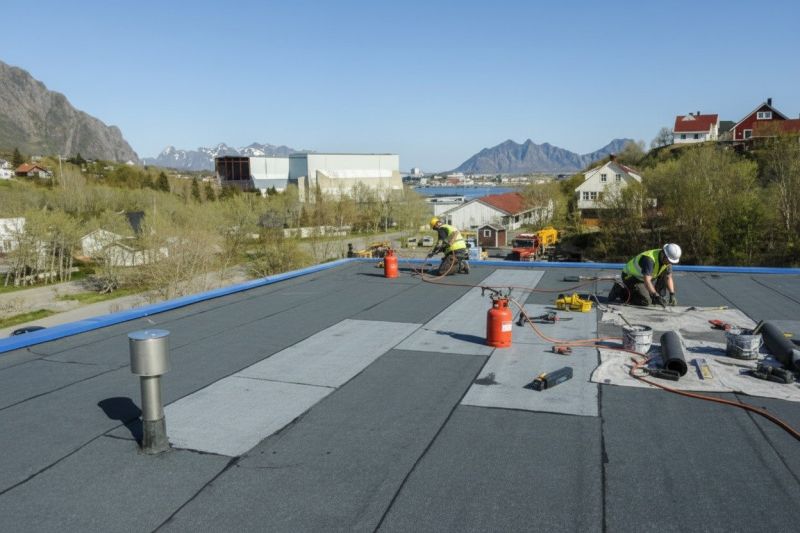
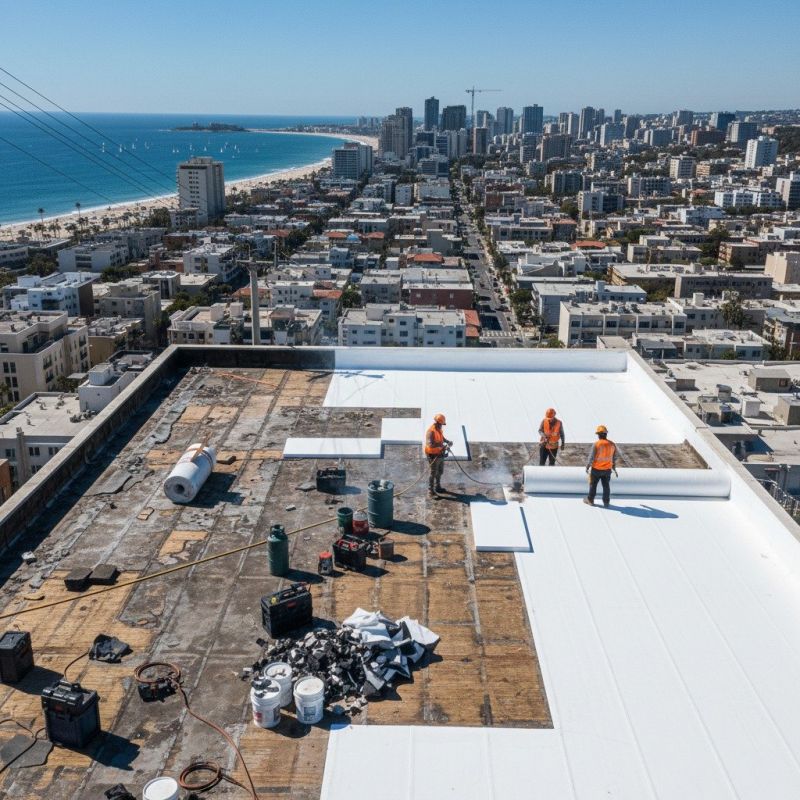
Industrial roof replacement is often needed when property owners notice leaks, persistent water damage, or signs of wear such as cracks and blistering. These issues can compromise the integrity of the building and lead to costly repairs if not addressed promptly. Local contractors specializing in industrial roofing can assess the condition of the existing roof and recommend appropriate solutions to restore safety and durability, helping property owners maintain the value and functionality of their facilities.
Other common reasons property owners seek industrial roof replacement include aging roofs that have reached the end of their lifespan or damage caused by severe weather events. Whether due to storm impacts, heavy snowfall, or ongoing exposure to harsh elements, a replacement might be necessary to prevent further deterioration. Local service providers are equipped to handle these projects efficiently, providing options that match the specific needs of industrial buildings and ensuring the roof meets the demands of the local environment.
What are signs that an industrial roof needs replacement? Indicators include persistent leaks, extensive damage, roof membrane deterioration, or visible structural issues that compromise the roof's integrity.
How do local contractors handle industrial roof replacements? They assess the current roof condition, recommend suitable materials, and perform the replacement to meet the building's specific needs and safety standards.
What types of roofing materials are used for industrial roof replacement? Common options include metal roofing, built-up roofing (BUR), modified bitumen, and single-ply membranes like TPO or EPDM, chosen based on durability and suitability.
Can existing roof structures be upgraded during replacement? Yes, contractors can reinforce or modify existing structures as part of the replacement process to improve performance and longevity.
What preparations are needed before an industrial roof replacement? Typically, contractors recommend clearing the area, securing equipment and materials, and ensuring access to the roof for safe and efficient work.
Commercial Roof Replacement - Property owners can explore replacing aging or damaged roofs on warehouses and retail spaces to ensure safety and functionality.
Industrial Roof Maintenance - Business owners might consider roof upgrades during routine maintenance to extend the lifespan of their facility’s roof.
Leak Repair Solutions - Facility managers can seek professional services to address leaks promptly, preventing further damage and operational disruptions.
Energy-Efficient Roofing Options - Property owners can evaluate new roofing materials that improve insulation and reduce energy costs for their industrial buildings.
If you are thinking about Industrial Roof Replacement for a property, this guide is meant to help you understand the work, the typical project types, and how different options might fit your plans.
When you are ready, you can use the quote form on this page to share a few details about your project. From there, local pros can review the basics and respond with options that match what you have in mind.